


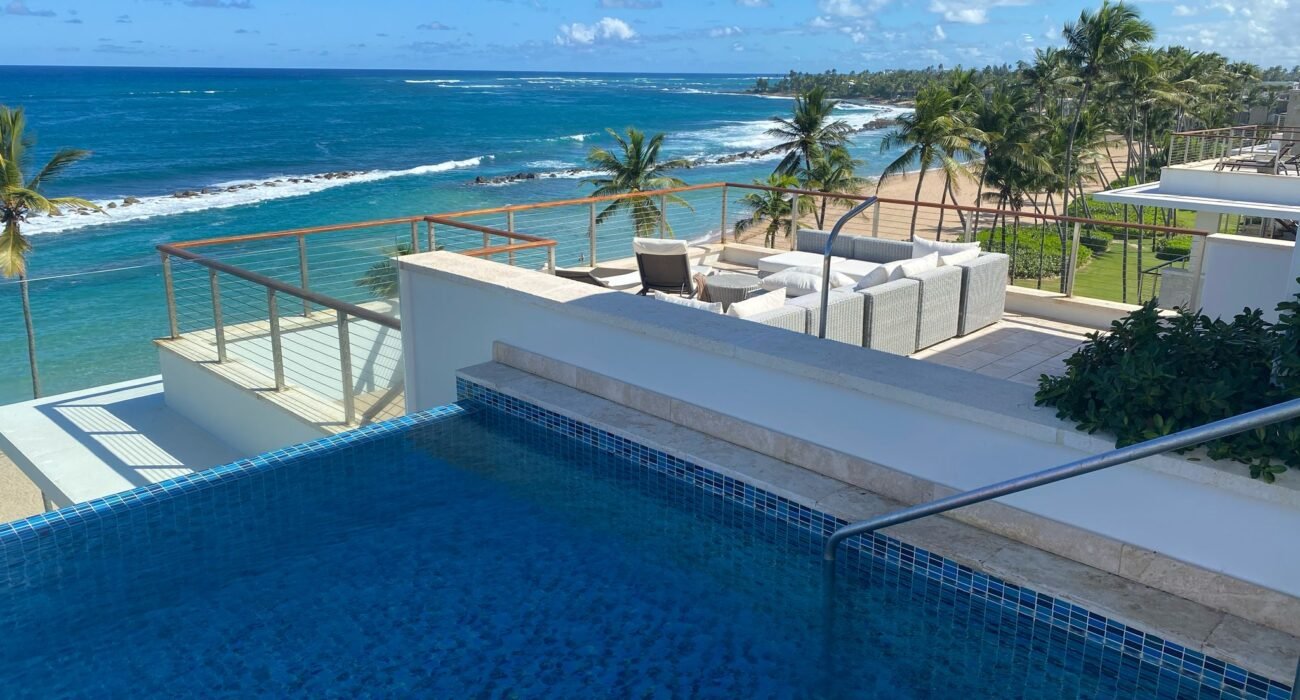
Puerto Rico has many of the ingredients that make an executive retreat memorable: beautiful resorts, rich culture, exceptional food, outdoor experiences and easy access from many major U.S. cities.
But planning a successful executive retreat in Puerto Rico requires more than choosing a great hotel and filling the agenda with activities.
For leadership teams, board members and small corporate groups, the best programs are often the ones that feel effortless. The schedule has room to breathe. Transportation makes sense. Experiences are chosen for the people in the room—not simply because they appear on a list of things to do.
And perhaps most importantly, the program recognizes something that isn’t always obvious when planning from afar:
San Juan Is Not Puerto Rico
Puerto Rico may look small on a map, but geography matters when designing an executive retreat.
Old San Juan, the rainforest, the mountains, Piñones, the east coast and resort areas such as Dorado or Río Grande can create completely different experiences—and very different transportation requirements.
An activity described as being “in Puerto Rico” could mean walking a few minutes from your hotel or spending a significant part of the day in transit.
That distinction matters.
A 90-minute transfer isn’t simply transportation. It changes the rhythm of the entire day.
Before building the itinerary, consider where the group is staying, how much time is already dedicated to meetings and how far participants realistically want to travel once the business portion of the day ends.
Sometimes the right decision isn’t adding another experience. It’s protecting the group’s time.
Choose the Right Home Base
For an executive or board retreat in Puerto Rico, the hotel isn’t just where participants sleep. It becomes the operational center of the program.
San Juan can work particularly well for groups wanting convenient access to restaurants, cultural experiences and evening activities.
Resort destinations outside the metropolitan area can offer more privacy, space and a stronger sense of escape—but excursions into San Juan or other parts of the island require additional transportation planning.
Neither approach is inherently better.
The right choice depends on the purpose of the retreat.
Is the priority strategy and uninterrupted meeting time? Team connection? Celebration? Cultural immersion? A combination?
Answering that question first makes almost every other planning decision easier.
Don’t Turn the Retreat Into Another Conference
Executive retreats are often created because leadership teams need something they don’t get during their normal workday: time to think, connect and have meaningful conversations.
Then the itinerary gets filled from morning until night.
Breakfast. Meeting. Lunch. Activity. Reception. Dinner.
Repeat.
A retreat doesn’t need to be busy to be valuable.
In fact, thoughtful pacing can be one of the most important elements of the program.
If participants have spent six hours in strategic meetings, a highly structured afternoon activity may not be what they need. A relaxed culinary experience, cultural conversation, sunset gathering or informal dinner may create more meaningful interaction.
The question isn’t how much you can fit into the itinerary. It’s how you want your leadership team to feel at the end of it.
Build Puerto Rico Into the Experience
A retreat in Puerto Rico should feel like it happened in Puerto Rico.
That doesn’t require turning every activity into a sightseeing tour.
Culture can enter the program in sophisticated, unexpected ways: a private culinary experience built around Puerto Rican ingredients, an interactive bomba experience that explores communication and collaboration, a guided conversation about rum and its history, an architectural walk through Old San Juan or an evening centered around local music and food.
For smaller groups especially, experiences can become more personal.
Rather than simply watching Puerto Rico, participants can engage with it.
That distinction often creates the moments people remember.
Design for the People in the Room
A beautiful experience isn’t necessarily the right experience.
Before recommending activities for an executive group, consider the participants themselves.
How active are they? Have they visited Puerto Rico before? Are spouses or partners attending? Are there mobility considerations? Is this primarily a working retreat or a reward? Does the group enjoy structured activities—or would they value more freedom?
Even something as simple as choosing between a walking tour and private transportation can dramatically change the experience.
This is where knowing your guest becomes as important as knowing the destination.
Transportation Is Part of the Program
Transportation is rarely the most exciting part of a proposal, but it can determine whether an itinerary feels seamless or exhausting.
Travel times in Puerto Rico can change with traffic, weather, road conditions and the location of the hotel.
For executive groups, transportation planning should consider more than the estimated drive time.
Departure timing, vehicle size, luggage, accessibility, staging locations, restaurant reservations and contingency time all matter.
And when participants are arriving individually from different cities, airport movements can become a program of their own.
Good logistics should almost disappear into the background.
Guests shouldn’t have to think about them.
Leave Room for the Unexpected
Puerto Rico is a tropical destination. Weather can change.
Outdoor experiences should have realistic contingency plans, particularly during periods of heavier rainfall.
But contingency planning goes beyond weather.
A restaurant may need to adjust seating. Traffic may affect timing. An executive meeting may run longer than expected. A participant may decide to skip an activity.
The strongest programs aren’t necessarily the ones where everything happens exactly according to the original schedule.
They’re the ones designed with enough flexibility that a change doesn’t feel like a crisis.
Local Knowledge Changes the Planning Conversation
There is a difference between knowing what Puerto Rico offers and understanding how those pieces actually work together.
A planner working from another destination may see a hotel, restaurant and experience that each look perfect individually.
The more important question is whether they make sense together.
That’s where local destination support becomes valuable.
It means looking beyond reservations and asking practical questions before they become problems: Is the travel time realistic? Is the venue appropriate for this particular group? Is there a permit requirement? What happens if the weather changes? Is there enough transition time? Is the experience authentic—or simply convenient?
That local perspective can help transform an itinerary from a collection of reservations into a thoughtfully designed program.
Planning a Small Executive Retreat in Puerto Rico?
At B Lux PR, we specialize in thoughtful destination support for executive retreats, board meetings and small corporate groups in Puerto Rico.
We work particularly well with groups that value local knowledge, cultural connection and a calm, hands-on presence on the ground—from early program design through execution.
If you’re beginning to plan a Puerto Rico program, explore our guide to small group experiences in Puerto Rico or learn more about the difference between a traditional DMC and BMC (Boutique Destination Management) destination support in Puerto Rico.
Or simply reach out and tell us what you’re planning.
Distinctly Puerto Rico. Perfectly Executed.
2 Comments